



Dampness in kitchens and bathrooms
It is quite common to find ourselves at home with a problem of damp. Faced with this type of setback, which is very common, especially in older homes, it is important to know where it comes from in order to apply the correct solution, as if we only apply small patches, they will eventually reappear and may even affect our health and the structure of the home.
The areas that usually have the most problems with damp are those known as ‚damp areas ‚, which are kitchens and bathrooms. For this reason, today we have talked to Alfonso Pallarés, director of the Technical Department of Schlüter-Systems , to find out the best waterproofing solutions so that these spaces are free of these annoying dampness problems.
But before going straight to the solutions, let’s go back to the type of damp that may be present in our home, so that we can detect them and apply the best solution to each problem.
Types of dampness
Capillary dampness
Capillary damp is caused by a natural process that allows water and mineral salts from the subsoil to rise through the pores or capillaries of the materials used to build the home.
You can recognise this type of damp because dark stains appear on walls and walls, skirting boards can fall, dampness can be seen at the base of the walls, and there are even salts on the walls and damp lines.In addition, as we have already explained, it can cause a damp atmosphere and flaking paint on interior walls or basements, the main cause being water from the subsoil.

Moisture due to condensation
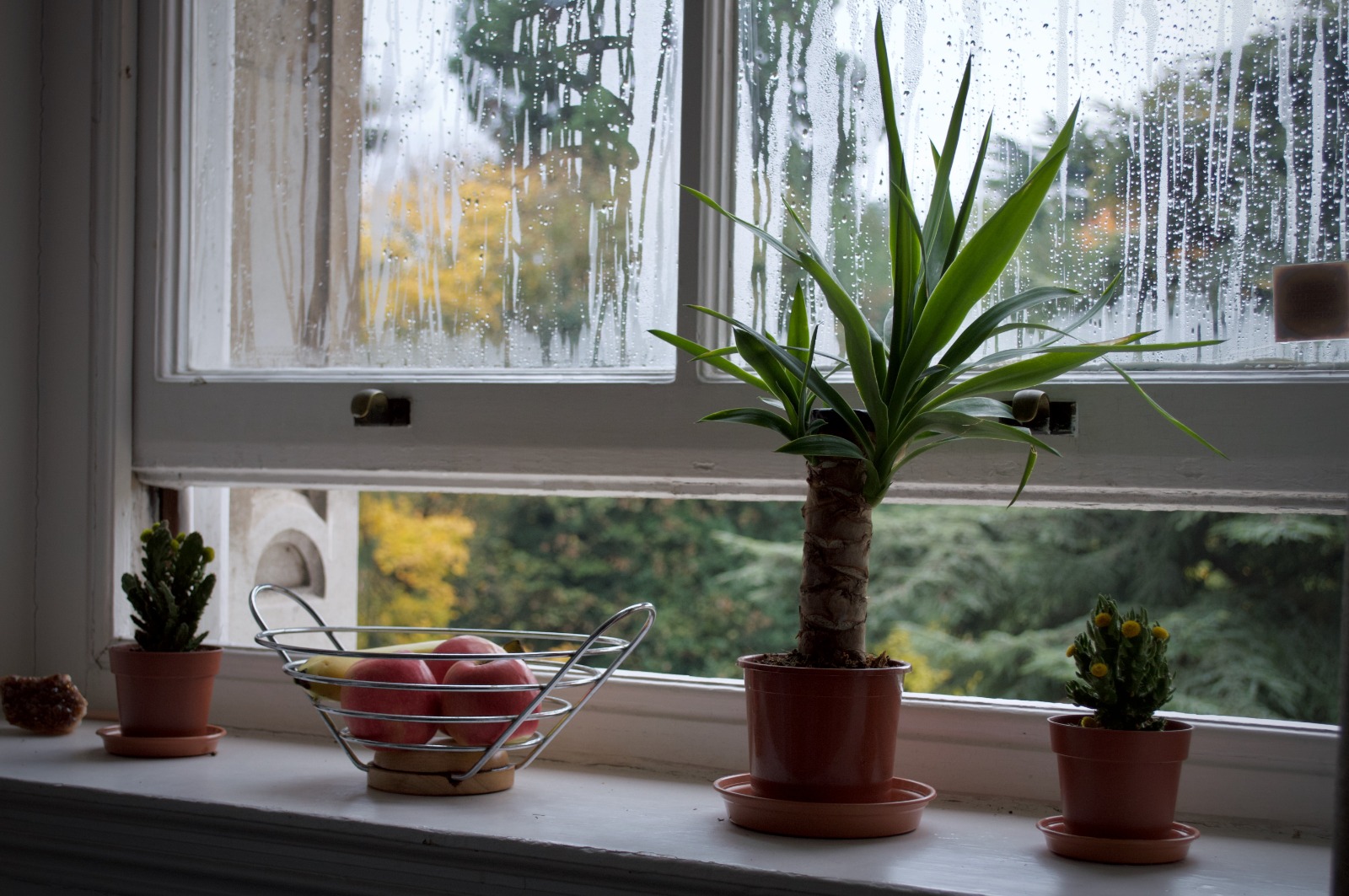
Condensation damp is caused by an excess of humidity in the environment. This condensation phenomenon is what causes this type of dampness, which occurs when the temperature inside a home is higher than outside. It forms on a surface when its temperature is below the dew point of the air that is in contact with it. This point varies depending on the ambient temperature, increasing in the coldest areas of the home, mainly on exterior walls or façades and on non-absorbent surfaces such as window panes, tiles and mirrors, producing a series of problems that affect both our home and our health.
Damp in bathrooms and kitchens: solutions
Once we have detected the type of damp we have, it is easier to apply the most appropriate solution. It is usually more common for both bathrooms and kitchens to have problems with damp due to condensation because they do not usually have windows and are spaces that are not properly ventilated.
Condensation in bathrooms and kitchens can be clearly seen by the accumulation of mist on the tiles, black mould stains on the walls, ceilings and around the bathroom fittings.
The consequences are peeling paint, an unpleasant smell and dirt due to mould, which, if aggravated, can lead to health problems for people with allergies or respiratory difficulties.
Ventilate
One of the solutions that will help you to remedy this problem is to ventilate. If you notice condensation in the bathroom and kitchen, try topromote good ventilation as much as possible. To do this, you should open the windows of your home every day and if your bathroom or kitchen does not have windows, it is important to install a forced ventilation system (electric extractor fan) and a dehumidifier, which will help to keep humidity and water vapour at bay in these areas. These will help to keep humidity and water vapour at bay in these areas.Insulate windowsYou can reinforce the thermal insulation by insulating the windows. When installing new windows, it is important that they comply with the appropriate insulation parameters. If you opt for aluminium frames (a highly conductive material), they should be fitted with double glazing with an insulating chamber and a thermal break system (RPT). This system avoids temperature „jumps“ between inside and outside and, therefore, eliminates the possibility of condensation. With this type of window, you can say goodbye to the characteristic black spots that occur next to the window frame.Insulate floors and wallsOf course, you will achieve greater protection if you insulate floors and walls. Schlüter-Systems is clear about this: they always recommend systems for insulating floors and walls that are installed directly underneath the ceramic tiles, which always keep the substrates dry. As Alberto explains: „We recommend the use of Schlüter-KERDI film, which is laid with thin-set mortar on any type of substrate and allows ceramic tiles to be laid directly on top of the film. It is always important to keep the substrates dry, because wet substrates can not only cause damage to adjacent rooms, but also to the tiles themselves.

This insulating solution can be installed in both kitchens and bathrooms, as it is suitable for any „wet area“. This is often the problem in kitchens, where water vapour can penetrate the joints between the tiles and cause damage to moisture-sensitive substrates, such as plaster and plasterboard,“ Schlüter-Systems adds.
On the other hand, if what you want is to properly insulate the shower area, they recommend using the same waterproofing system (Schlüter-KERDI) but what you have to take into account are mainly the drains, as they must be prepared so that the waterproofing can be connected with guarantee. „For this we have the Schlüter-KERDI-LINE and KERDI-DRAIN systems for the construction of showers with linear drains or central drains, which allow the KERDI foil with glue cement to be connected to the drains. If your house does not have very straight surfaces and there are many recesses, you are probably wondering whether you can install this type of system. The answer is yes. With this type of waterproofing system, it doesn’t matter what the space is like. We all know that in a bathroom or kitchen it is completely normal for there to be corners, columns, recesses and changes of plane in general. For this „KERDI film is ideal, because it adapts easily to any surface and corners and gaps between floor and wall can be waterproofed without cutting the film. But if, due to the circumstances of the work, the sheet has to be cut, there are strips and any type of special pieces to waterproof overlaps and any conflictive point of the work in complete safety,“ adds Pallarés.

Cleaning up mould
Whatever solution you use, it is important to thoroughly clean both bathrooms and kitchens to keep moisture at bay. The black stains left by mould are easy to remove on tiled or plastic-coated surfaces. Just by washing them with water and bleach (one part bleach to three parts water) or with a specific product against mould, you will leave the surfaces as good as new. When the mould and fungus have spread a lot, probably „black mould“, it is essential that you ask for help from a professional, as it can be toxic to your health and that of your family and the conventional cleaners we have access to do not work. And you, do you have problems with damp in your home? As you can see, they do not disappear by magic. They improve in periods when temperatures rise and when there is not so much difference in temperature between indoors and outdoors, but it is necessary to treat them so that they do not spread throughout the rest of the house. If you have at any time experienced any of these symptoms from damp in your home, it is important that you find a solution as soon as possible, as they tend to spread throughout the rooms of the house where large amounts of water vapour are generated.
Source: Eva García Robles en Cuida tu casa.